Imagine 100 people creating a startup from scratch. Let's say that the starting point is an Uber for boats.
Every one of them can work with any AI tool they want. They have a limited time though. It's up to them how they use that time.
Some of them would just use a prompt in a coding agent: "Build an Uber for boats".
Others would start with asking themselves questions. For example
- What's my target group?
- Is it a good business in the first place?
- What would I need to see to know that this is going to be a successful business?
- What is the most reasonable step in the right direction?
Each one of these questions could lead to a pivot from the initial idea.
You could say, that if you can change the direction, it's not a fair competition. But that's actually a way better representation of reality. Because you can change the direction in life. You can do it all the time.
AI is already better than most of humans at many areas where the goal is quite well defined. It solves mathematical problems. It finds software bugs. It's very good at medical diagnosis. But what if you don't know what you want? What if you want to just try things out and follow your intuition? What if you have a rough idea about what success means to you, but you are going to just mostly figure it out as you go? In other words - what if it's a real-life scenario?
Getting back to our 100 funders: Which one, do you think, would end up with a successful startup? The better AI models become, the more, giving answers is a broadly available resource. But asking the right question is a differentiating factor.
I bet that the one who wins that competition would be the one who asks better questions. I believe that these days this skill matters more than ever.
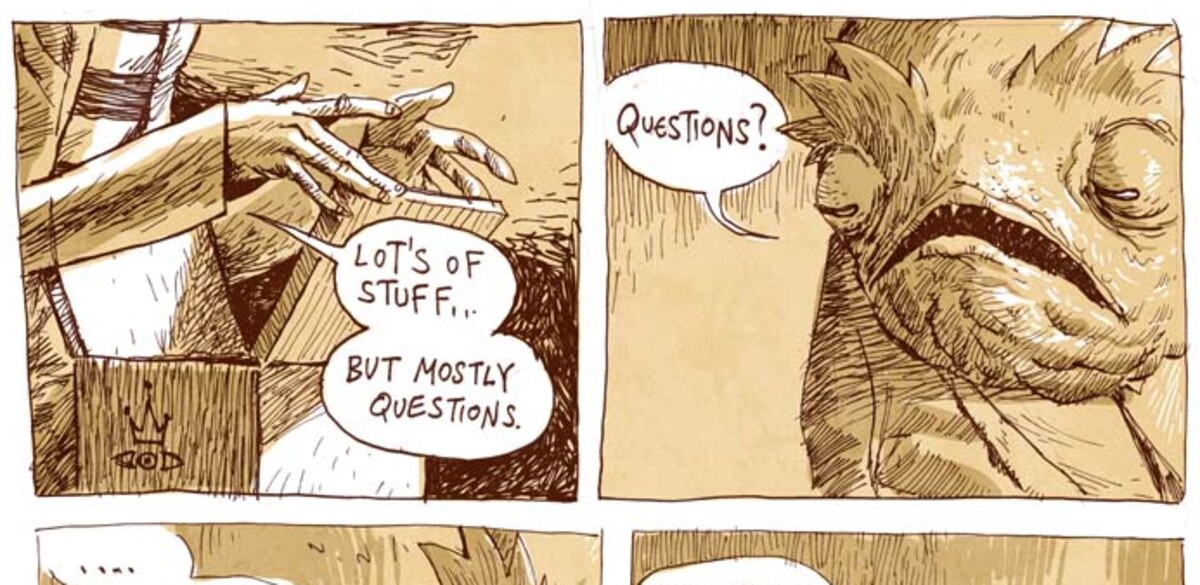
Check out this wonderful story by Kostas Kiriakakis: A Day At The Park